Raw Food Controversies: Water, Calories, Fasting and More with Lena @lena_lalune_
Raw Food Controversies: Water, Calories, Fasting and More with Lena
Wild edibles, sprouts, organic produce, body efficiency, fasting, seaweeds, and whether athletes can thrive raw
Lena from @lena_lalune_ put me through one of the most enjoyable raw food controversies sessions of the entire bundle window. No softballs. Wild edibles, sprouts, organic versus conventional, body efficiency and caloric restriction myths, fasting, athlete performance, and seaweeds. All of it with genuine curiosity and no agenda, which is my favorite kind of conversation. As a aside, I go into many of these and more in extra depth in my Raw Truths book, found here.
Sorry to say that the 2026 Ultimate Raw Vegan Bundle is now closed. To be notified of the next one and other bundles and events I am part of throughout the year, join the mailing list here and grab some free ebooks while you are at it.
Wild Edibles: Beneficial or Overhyped
One of the classic raw food controversies is whether wild edible herbs belong in a raw vegan diet and how much weight to give them. My honest take: they can be a great addition but they are not a must and should not be placed on a pedestal.
Wild edibles often do have deeper root systems accessing richer mineral stores than commercially farmed greens. Some contain concentrated compounds that in small amounts may have genuinely beneficial effects including anti-cancer properties that are getting more research attention. But a lot of them are also high in oxalates, tannins, or other compounds that in excess impair absorption of other minerals like iron. Eating a giant salad of raw dandelion because someone told you it is more nutritious than romaine is missing the mark if your body is telling you it has had enough.
The rule I keep coming back to across all these raw food controversies is the same: eat as much as you genuinely enjoy, not as much as you intellectually think you should. If you eat a handful of dandelion greens and the next day you want more, that is a good sign. If you eat a handful and feel slightly off, pay attention to that. And if you are foraging, know exactly what you are picking. There are lookalikes with real toxins in them and they are not forgiving.
Sprouts: Useful Tool Not a Must
Same principle applies to sprouts. They are not the nutritional miracle they are sometimes marketed as. When someone says sprouts have 400 percent the nutrition of the plant, they usually mean 400 percent of one isolated compound, not 400 percent of everything. Which is a very different claim presented in a very misleading way.
Sprouts can be a genuinely useful and inexpensive way to add fresh living food to your diet, especially if your store access is limited or expensive. Lentils, chickpeas, and beans are the ones I have enjoyed most in recent years. Microgreens can be fun. But hygiene matters enormously here. Rinse your jars well, do a short soak with very diluted vinegar before sprouting, and source your seeds from a reliable place. Contaminated sprouts are one of the more common causes of foodborne illness in raw food communities.
I went roughly 85 percent of my 22 years without using sprouts regularly and did absolutely fine. They have a place but not a mandatory one.
Organic Versus Conventional: One of the Biggest Raw Food Controversies
This one comes up constantly. My position has not changed in years. If you can get organic without stress and within your budget, great. But for most people in most situations, insisting on organic only makes this lifestyle unattainable, unaffordable, and unnecessarily stressful.
Here in Sweden, going fully organic would cost me four times more and deliver less than an eighth of the variety I currently have access to. Much of the organic produce I have seen locally is actually lower quality than the conventional alternative. I have been eating mostly conventional produce for 22 years in large quantities and every biomarker and toxicity test I have ever done comes back way above average.
Washing matters. A short soak with diluted vinegar, baking soda, or salt water does remove a meaningful amount of surface pesticide residue. Saying it is pointless is black and white thinking that actively discourages people from eating more produce. I use an electrolysis device called Aquapure that I find genuinely helpful, but plain water and a good rinse is infinitely better than stress or restriction.
If you are in the US eating conventional apples or grapes and you notice flushed cheeks or a dry scratchy throat like I do, pay attention to that. That is your body giving you real-time feedback. But if you are eating a wide variety of well-washed produce without those signals, do your best and move on.
The Body Efficiency Myth and Why It Matters
This is one of the raw food controversies I feel most strongly about because it leads people into genuine harm. The claim that the body becomes so efficient over time that you need dramatically fewer calories is, in my experience, one of the most overstated and misunderstood ideas in the raw food world.
There is a kernel of truth. If you are eating simply, in a calm state, with good food combining, your digestion does become more efficient. You may absorb more from less volume. That could account for a couple hundred calorie difference over years. But the dramatic claims of needing half your previous calories after removing mucoid plaque, which is itself a concept I debunk completely in my dedicated video, are not grounded in physiology or clinical reality.
What I have actually seen when people claim to need dramatically less is usually a combination of a few real factors. They have become more calm and less stressed so the brain is burning less energy. They have lost some muscle mass which meaningfully reduces caloric needs. They have become less physically active, and or more streamlined in their activity over time while still perceiving themselves as active. And they only talk about their low calorie days, not the higher calorie days that average things out.
I have also personally seen people who loudly promoted needing very few calories being caught eating really dense foods like nut butter in private. This is one of the raw food controversies where the stakes are real. Undereating is the number one reason people fall off this lifestyle. Eat abundantly. Eat until you genuinely do not want any more. Your body will thank you.
Water on a Raw Food Diet
Another perennial raw food controversy. Do you need to drink water? Short answer: most people do and would be served better by doing so.
If you are living in the tropics, eating mostly juicy fresh fruit including coconuts and cucumbers, not dehydrating food, and not sweating heavily, you may genuinely not need additional water. Some people have gone extended periods without drinking any and done fine. But taking that as a universal rule and applying it as a point of pride or dogma for people eating bananas in Sweden in February is missing the point entirely.
Dehydration impairs insulin function, blood sugar regulation, digestion, elimination, and neurological performance. Coming into a fruit meal dehydrated means your insulin response is impaired, which creates blood sugar instability even from something as gentle as watermelon. Aim for pale clear urine, somewhere between eight and twelve bathroom visits in a 24 hour period, and adjust your intake based on climate, activity, and what you are eating that day.
As for water quality, I use a distiller most of the time and would prefer reverse osmosis or a good tested spring if those were readily available. The claim that distilled water leeches minerals from the body is not supported by physiology. Any minimal mineral contact during transit through the digestive tract is absorbed by the body before the water leaves, not the other way around. We get our nutrients from food, not water.
Fasting: Beneficial When Indicated, Not a Universal Requirement
Fasting is one of the raw food controversies where I see the most harm done when it is misapplied. My position is that most people are best served by establishing the lifestyle first, getting genuinely well nourished, making it a real habit, and then considering fasting if and when the body genuinely calls for it or a specific unresolved issue warrants it.
Starting a raw vegan journey with an extended fast is not the ideal entry point for most people. Going into a fast while under nourished, isn’t the optimal way to start. It does not teach the lifestyle. It does not build the habits. And when it ends, people often have no stable foundation to return to, which is exactly when yo-yoing happens.
I have done around a dozen fasts myself ranging from one to eleven days. These days I prefer body-initiated rest, where food genuinely does not appeal and the body is clearly asking for space, over intellectually scheduled fasting programs. The exception would be someone with a serious chronic condition who needs a significant reset, where an extended supervised fast under experienced guidance can be genuinely beneficial as a starting point before establishing the lifestyle.
The idea that everyone must fast to remove mucoid plaque and then achieve superhuman efficiency on 1,000 calories a day is, to be direct, a sales tactic. It does not reflect clinical reality, consistent real world examples, and it causes real harm to people who follow it.
Why Are Not More Athletes Raw
One of the raw food controversies that comes up often, especially from skeptics. The short answer is that it is simply not mainstream enough yet for most athletes to have confident exposure to well-applied examples of it. When athletes hear raw vegan, they often picture restriction and risk rather than abundance and performance advantage.
But the examples exist. Dr. Graham has coached Olympic athletes and professional basketball players who extended their careers significantly on this approach. Grant Campbell, who is part of the bundle, is an ultramarathonist who shaved hours off his race times going from vegan to raw vegan. Michael Arnstein. Tim Van Orden. Dr. Graham himself is a current national and world champion powerlifter in his age and weight class.
As the community becomes more unified around what actually works and as more credible long-term examples accumulate, this will shift. We are already seeing more vegan champions across professional sports. Raw will follow.
Seaweeds and Iodine
Not a must but worth considering, especially for people eating produce from inland or higher elevation areas where iodine in the soil is lower. The key raw food controversies around seaweeds come down to sourcing and quantity. Seaweeds are natural absorbers of heavy metals and radiation. Buying from transparent suppliers who routinely batch test and publish results is non-negotiable.
I source from rawnori.com/rawadvantage with code CHRIK5 for 5 percent off, and also from seaveg.com which publishes all their batch test results. A little goes a long way. A couple of nori sheets every other day or a light sprinkle of dulse flakes a few times a week is generally more than enough iodine without overdoing it. Both insufficiency and excess of iodine can produce similar thyroid symptoms, so sourcing quality and keeping quantities moderate matters.
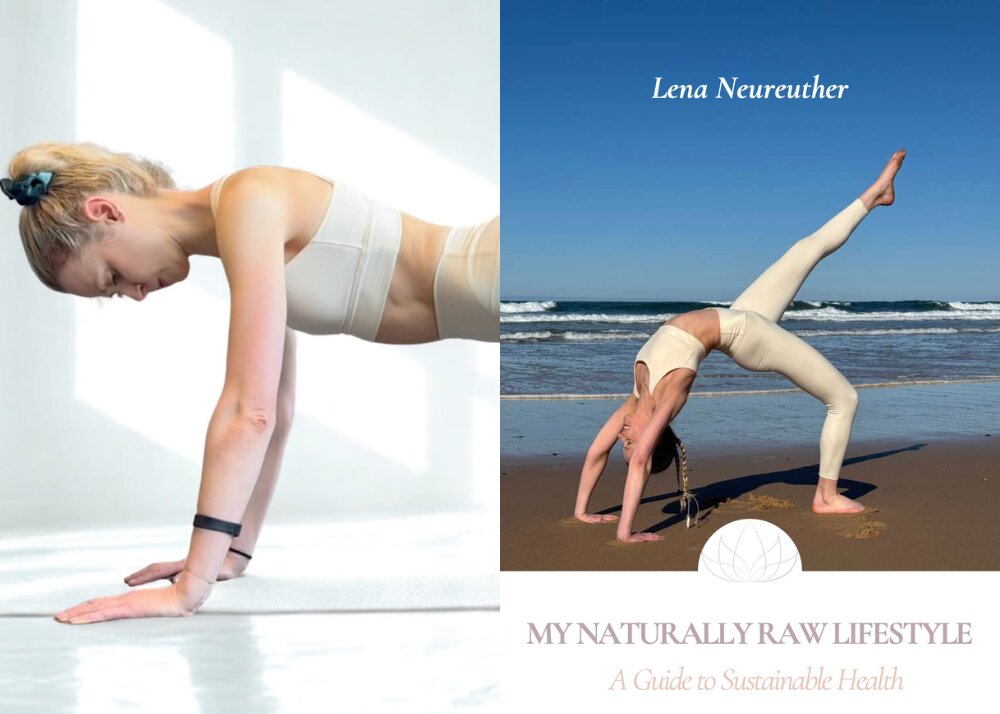
My Naturally Raw Lifestyle:
Lena’s contribution to the bundle was My Naturally Raw Lifestyle: A Guide to Sustainable Health, a beautifully practical ebook covering simple holistic health practices for everyday life without turning your life upside down. It covers raw food based nutrition that is quick, energizing, and easy to prepare, time-efficient fitness habits that keep you strong without long gym sessions, step-by-step daily routines that remove the guesswork and make healthy choices automatic, and a holistic framework connecting nutrition, movement, and mindset for lasting results. Learn more and find Lena at @lena_lalune_.
Bundle Closed, Mailing List Open
The 2026 Ultimate Raw Vegan Bundle has closed. To hear about next year’s bundle and other events and bundles I am part of throughout the year, join the mailing list here.
As Always
Wishing You Much
PeaceLovenSeasonalFruit ck