Crucial Persimmon Warning: Don’t Eat Before Watching!
As autumn paints the world in warm hues, persimmons emerge as a beloved seasonal fruit. Their sweet, honey-like flavor and vibrant orange color make them a favorite among many. However, beneath their delightful exterior lies a potential health risk that every persimmon lover should be aware of…
Thus, this Crucial Persimmon Warning!
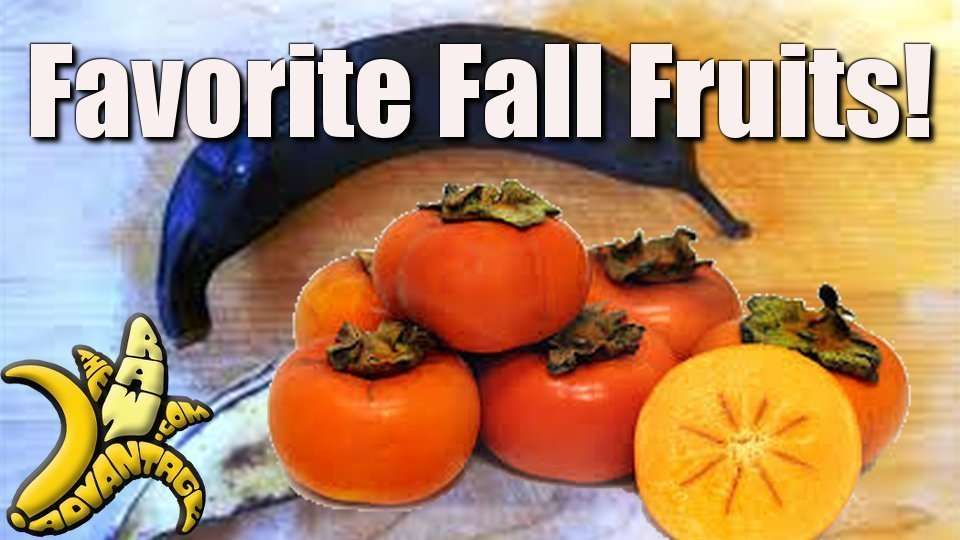
As an avid fruit lover, persimmons hold a special place in my heart. In fact, my very first YouTube video back in 2009 was titled “My Favourite Fall Fruits,” featuring the luscious combination of ripe plantains and persimmons. These vibrant orange fruits, with their honey-like sweetness, have been a staple in my autumn diet for years. However, a recent experience with someone very close to me has shed light on a rare but serious issue associated with persimmons: phytobezoars.
Crucial Persimmon Warning!
The Two Types of Persimmons: Astringent and Non-Astringent
Persimmons come in two main varieties: astringent and non-astringent. Each type offers unique characteristics and while both are amazing the astringent varieties require this crucial persimmon warning!

Astringent Persimmons
Astringent persimmons, such as the Hachiya, Tanenashi, and Saijo varieties, must be fully ripe before consumption. When ripe, they have a soft, jelly-like consistency and offer an intensely sweet flavor, often compared to maple syrup. The Hachiya, in particular, is known for its acorn shape and deep red color when ripe. In order to be fully ripe, the skin almost becomes translucent and has the appearance of a water balloon about to pop. They should be fully soft all over and have no feeling of astringency when eaten.
Non-Astringent Persimmons
Non-astringent persimmons, including the Fuyu, Jiro, and Hana Fuyu varieties, can be eaten while still firm, similar to an apple, or entirely soft and gooey. The Fuyu, the most popular non-astringent variety and one of my favorites has a squat shape resembling a flattened tomato. It offers a more mellow sweetness with flavor notes of pear, dates, brown sugar, and cinnamon hints. The key difference lies in their edibility at various stages of ripeness. While astringent persimmons need to be extremely soft to be palatable, non-astringent types can be consumed at any stage of ripeness, offering different textures and flavor profiles as they mature.
The Rare but Real Risk: Phytobezoars
Before we dive into the details, I want to emphasize that the issue I’m about to discuss is very rare. My intention isn’t to cause fear but to raise awareness. Knowledge, in this case, can potentially save you or a loved one from a challenging and, in extreme cases, life-threatening situation. Phytobezoars are indigestible masses formed in the digestive tract, primarily composed of plant materials. In the case of persimmons, they’re created by a combination of the fruit’s tannins and fiber. When unripe persimmons are consumed, especially in large quantities, these components can interact with stomach acid to create a mass that can cause serious digestive issues.
A Personal Encounter with Phytobezoars
Someone very close to me recently experienced this rare complication. Initially unaware of what was happening, she delayed seeking medical attention. The situation escalated to the point where surgery became necessary, significantly impacting her health and well-being. This experience underscored the importance of being informed about even the rarest food-related risks.
Understanding the Persimmon-Phytobezoar Connection
Persimmons, particularly the astringent varieties, contain high levels of tannins. When combined with stomach acid, these tannins can coagulate and form a glue-like substance. This substance can then bind with other materials in the stomach, creating a hard, indigestible mass—the phytobezoar. The risk is highest with unripe persimmons, as their tannin content is at its peak. As persimmons ripen, the tannins break down, significantly reducing the risk of bezoar formation.
Enjoying Persimmons Safely
Despite this rare risk, persimmons are one of my favorite fruits, which I enjoy regularly. The key is to do so safely. Here are some tips:
- Eat Only Fully Ripe Astringent Persimmons: Wait until the fruit is soft and almost jelly-like.
- Chew Thoroughly: Proper chewing helps break down the fruit’s fibers.
- Stay Hydrated: Drinking plenty of water before eating can help prevent bezoar formation.
A Balanced Perspective
Even though this is a crucial persimmon warning, it is important to maintain a balanced perspective. Persimmons are nutritious fruits, rich in vitamins A and C, fiber, and antioxidants. The risk of phytobezoars, while serious, is very rare. You can safely enjoy their unique flavor and health benefits by ensuring you eat only fully ripe persimmons. My experience has taught me the value of being informed about the foods we love. It’s not about fear, but about empowerment through knowledge. By understanding potential risks, however rare, and taking simple precautions, we can continue to enjoy nature’s bounty safely. Remember, if you ever experience persistent digestive issues after consuming persimmons or any other food, don’t hesitate to seek medical advice. Early intervention can prevent more severe complications.
As we embrace the joys of autumn and its delicious fruits, let’s do so with both enthusiasm and awareness.
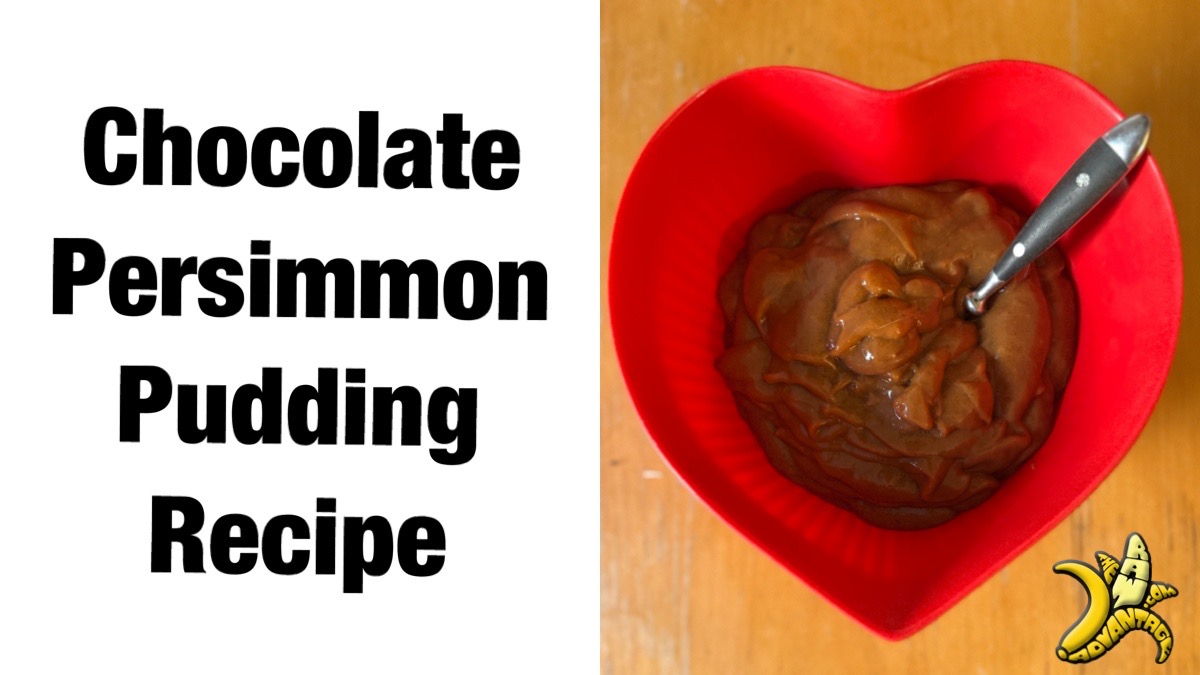
Enjoy this Sweet Persimmon Recipe
And this Savoury Persimmon Recipe!

I hope this crucial persimmon warning leads you and your loved ones to safe, happy, and healthy eating!
Share this post with a fellow persimmon lover!
As Always
Wishing You Much
PeaceLovenSeasonalFruit ck