Mucoid Plaque Myth Debunked, What You Need To Know!
Oh My, it’s time for a long overdue video I have been working on for years!
The Mucoid Plaque Myth Debunked: What You Need to Know
The world of alternative health is often filled with intriguing concepts, some of which stand the test of time and scientific scrutiny, while others fade away as myths. One such concept that has persisted for decades is the idea of “mucoid plaque” – a supposed accumulation of waste in our digestive tract that’s blamed for various health issues. Today, we’re diving deep into this topic to separate fact from fiction and empower you with evidence-based knowledge to officially consider the Mucoid Plaque Myth Debunked!
But First,
Don’t Miss Out on my Big Black Friday Extraveganza!

40% off ALL of my ebooks, including Raw Truths, Frickin Rawsome Pizza, Cravings Busters Sweet & Savoury Stews, and SO much more, as well as my 10 Week Raw Vegan Lifestyle Success System eCourse, using the code HOHOHO! This sale is only on until the end of the month, so check it all out and scoop up some deals while they last!
Understanding Mucoid Plaque: Origins and Claims
Naturopath Richard Anderson introduced the concept of mucoid plaque in his 1987 book “Cleanse and Purify Thyself.” Anderson described it as a harmful accumulation of mucus, undigested food, and waste lining the intestines. He claimed this buildup could be eliminated through specific detoxification programs, leading to the creation of various cleansing kits that are still available today.
The proponents of the mucoid plaque theory argue that it’s the root cause of numerous health issues, blocking nutrient absorption and clogging the intestines. They often claim that only specific cleanses or fasts can remove it, creating a sense of urgency and exclusivity around their products or services.
The Scientific Perspective: What Health Professionals Say
To get to the heart of this matter, I’ve consulted with over 20+ Doctors over the years. I managed to secure interviews with several experts in the field: Dr. Douglas Graham, Dr. Alan Goldhamer, and Dr. Areli K. Cuevas-Ocampo, who have all provided invaluable insights that challenge the existence of mucoid plaque.
Dr. Alan Goldhamer, DC, founder of the TrueNorth Health Institute, who has supervised over 20,000 fasts, states that the idea of a caked-up buildup inside the colon is not based on reality. Gastroenterologists who spend their careers examining the digestive tract have not found evidence of such accumulations, even in people with poor diets.
Dr. Areli K. Cuevas-Ocampo, MD, with extensive experience in pathology and autopsies, confirms that she has never seen anything resembling mucoid plaque, even in very sick patients. She has examined hundreds of digestive tracts, both macroscopically and microscopically, without finding any evidence of this supposed buildup. Check out the FULL Interview Here!
Dr. Douglas Graham, DC, author of the 80/10/10 Diet, draws from his interactions with numerous surgeons who remove colons and sections of intestines and one of his medical teachers who has opened up thousands of cadavers. He emphasizes that there’s never been a hint of anything adhering to the intestinal walls. He points out that the term “mucoid plaque” itself is an oxymoron, as mucus is a transport medium always in motion, while plaque implies something stuck in place.
What’s Really Happening in Your Digestive System
To truly understand digestive health, we need to get real about how the digestive system actually works. Your entire digestive tract is lined with mucus-producing cells, and this mucus isn’t some stagnant sludge—it’s essential for:
- Protecting your gut lining from harsh digestive enzymes and stomach acids.
- Lubricating food and waste so everything moves smoothly.
Your body constantly produces mucus, even if you’re fasting or eating a “mucusless” diet. The cells lining your digestive tract are some of the fastest regenerating in the body, continuously renewing every 2-9 days on average due to their exposure to stomach acids and digestive enzymes.
So, what are you actually eliminating? It’s a mix of:
- Dead and sloughed-off intestinal lining cells
- Normal mucus production
- Microbiome die-off
- Undigested food (if you’re eating)
- Cellular waste from burned fat (especially on a raw food diet)
Why Cleansing Often Creates “Mucoid Plaque”
During fasting or cleansing, what many mistake for mucoid plaque is actually just these natural substances—sometimes mixed with cleanse kit ingredients like:
- Psyllium husk & bentonite clay – These massively expand when mixed with water, forming thick, rubbery, rope-like structures that can resemble “old waste.” In reality, they’re just hydrated fiber and clay passing through your system.
- Certain herbs & irritants – Some cleanse products contain strong laxatives and gut irritants like cascara sagrada, senna, and cayenne, which stimulate mucus production and can even cause minor intestinal inflammation, leading to the illusion of detoxing something harmful.
How Different Fasting Methods Impact Waste Elimination
- Juice fasting – Eliminates most insoluble fiber, so waste moves slower and can accumulate, forming rope-like structures.
- Water fasting – With no fiber, gut bacteria die off more rapidly, leading to slower waste transit.
- Dry fasting – Not recommended. Without water, detoxification slows down, increasing stress on elimination organs.
- Cleanse kits – Ingredients like psyllium, clay, and irritants trigger extra mucus production and can make elimination look dramatic—but it’s not old, hardened waste being removed.
The Challenge of Coming Off a Fast
One of the most difficult parts of fasting isn’t the fast itself, but how you break it. After a prolonged fast, digestion is often compromised due to:
- Microbiome disruption – Gut bacteria populations shift, making it harder to digest certain foods.
- Lowered stomach acid – After long periods without food, stomach acid production decreases, which can lead to difficulty digesting fats, greens, and vegetables.
- Weakened peristalsis – Without regular fiber intake, the muscles responsible for moving food through your intestines can slow down.
Rushing back into eating normally after a fast can shock the system, leading to bloating, discomfort, and digestive struggles. This is why a slow, structured reintroduction of food is crucial to rebuilding digestive strength. Taking it easy, focusing on easy-to-digest foods, and gradually increasing fiber and fat intake can help restore proper function without unnecessary discomfort.
Bottom Line
The periodic elimination of accumulated waste during fasting is often mistaken as proof that old, toxic sludge is leaving your body, but with the mucoid plaque myth debunked, it’s clear that this is simply your body’s natural waste elimination process, sometimes exaggerated by the effects of cleanse kit ingredients or fasting protocols. Medical experts and pathologists, including Dr. Areli, confirm that the dramatic “serpents” people see are not decades-old toxins but a mix of fiber, mucus, bile, and shed intestinal cells, sometimes colored or shaped by the cleanse products themselves.
Extreme fasting or cleansing can actually harm digestion if not done mindfully, making it harder to process food properly afterward and potentially disrupting the gut microbiome. While fasting can support autophagy and cellular repair, your liver, kidneys, and digestive tract are already equipped for daily detoxification, especially when supported by a nutrient-rich, fiber-filled diet and balanced lifestyle.
The key to gut health is balance, a strategic approach that includes a gradual refeeding plan, ample prebiotic fiber to nourish beneficial bacteria, and a focus on long-term, sustainable habits rather than quick fixes. With the mucoid plaque myth debunked, we can let go of fear-based cleansing and embrace evidence-based practices that truly support a thriving, resilient digestive system.
The Dangers of the Mucoid Plaque Myth
Believing in the mucoid plaque myth can lead to several potential issues:
- Unnecessary and potentially harmful cleanses
- Disruption of the gut microbiome
- Nutrient deficiencies from restrictive diets
- Psychological stress from constant worry about internal “toxins”
- Financial burden from expensive cleansing products and programs
Moreover, this belief can distract people from focusing on sustainable, evidence-based approaches to health and nutrition.
A Sustainable Approach to Gut Health
Instead of chasing mythical buildups, we should focus on proven strategies for maintaining digestive health:
- Eat a balanced diet rich in whole fruits and vegetables
- Stay well-hydrated
- Engage in regular physical activity
- Manage stress through mindfulness and relaxation techniques
- Get adequate sleep
- Enjoy sunshine without burning
Remember, when given the right tools and environment, our bodies are remarkably efficient at self-cleaning and self-regulating.
Empowering Yourself with Knowledge
Debunking the mucoid plaque myth is not about dismissing the importance of digestive health. Instead, it’s about redirecting our focus to evidence-based practices that truly support our well-being. By understanding the facts, we can make informed decisions about our health and avoid falling for pseudoscientific claims. With the mucoid plaque myth debunked, we can focus on real digestive health solutions instead of misleading claims.
As we continue to explore the fascinating world of nutrition and health, let’s commit to critical thinking and evidence-based approaches. Your body is an incredible, self-healing machine, give it the right fuel and care, and it will serve you well.
Let me know what you think of this Mucoid Plaque Myth Debunked video and if you have any other big controversial topics you want me to address.
Watch these other videos as part of the Debunking Mucoid Plaque series:
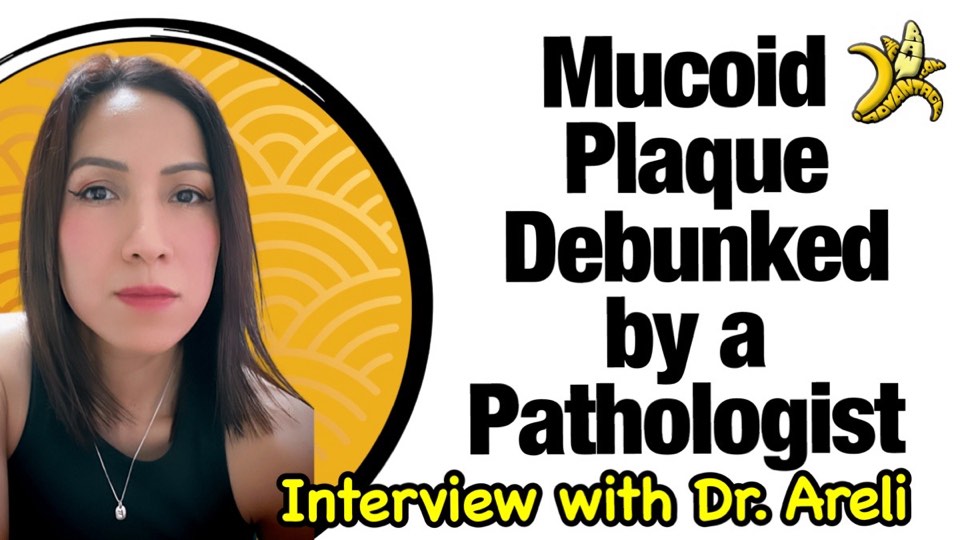
Pathologist & High Raw Vegan Dr. Areli Debunks Mucoid Plaque
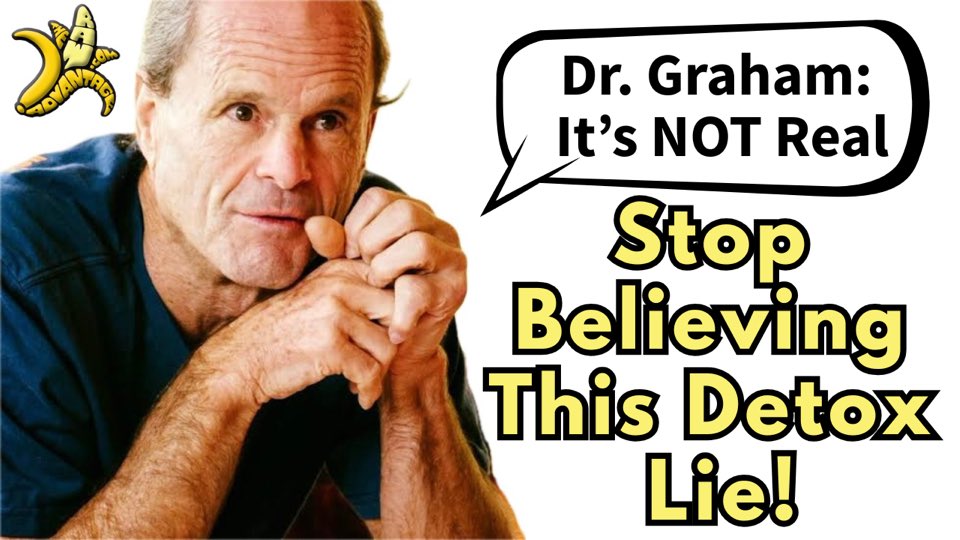
Mucoid Plaque Debunked by Dr. Douglas Graham
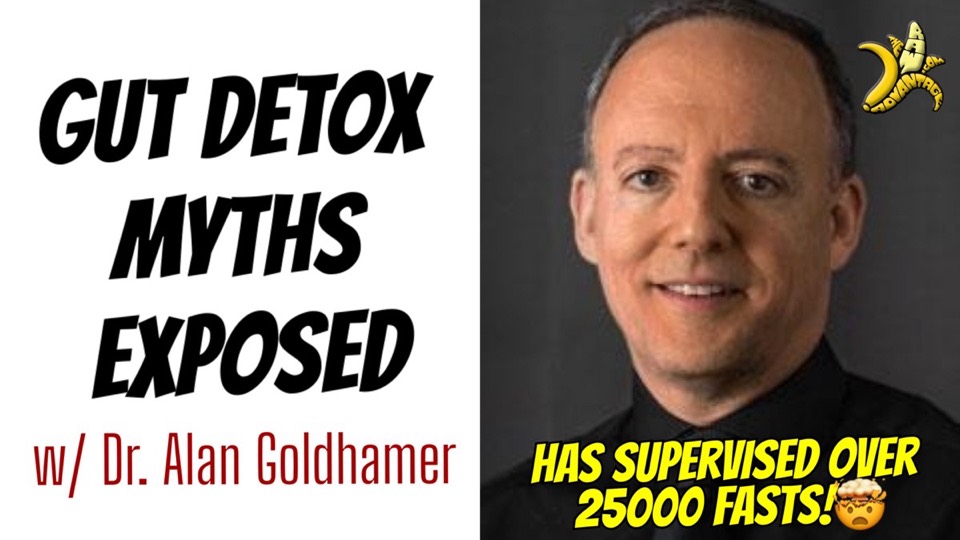
Debunking Mucoid Plaque with Dr. Alan Goldhamer
Stay tuned for more delicious raw recipes, fitness fun, and myth-busting health-empowering content!
As Always
Wishing You Much
PeaceLovenSeasonalFruit ck