Basal Cell Carcinoma and The Dangers of Sunburn
In this video, I discuss some of the hard lessons I have learned about the dangers of cumulative excessive UV exposure, i.e., the dangers of sunburn, and my recent diagnosis and treatment of Basal Cell Carcinoma and actinic Keratosis.
I admit this was a challenging video to make in more than a few ways and took the most takes of any I’ve made. I hope it provides clarity and more mindfulness on the realities around sunburn, sun exposure and helps you prevent a similar situation.
I’m feeling a bit hesitant and nervous as I share this, but it’s important for me to be authentic and transparent about what’s happening in my life. My hope is that by sharing my experience, I can help others avoid similar issues. This topic is about something preventable that I didn’t take seriously enough, even though I knew better. It’s crucial to understand that the sooner you recognize these challenges and take them to heart, the less likely you are to end up with serious consequences like I’m currently facing. To clarify, my situation isn’t life-threatening; I’m actually not worried, but it is serious enough to address.
As a holistic health practitioner, I stand by the health benefits of sun exposure when done mindfully. It’s all about gradually increasing your tan rather than exposing your skin to intense sunlight that leads to burns. Unfortunately, excessive sun exposure, including that from tanning booths, can cause serious damage over time. I’ve learned this the hard way, and while I’m lucky that my situation involves some of the more minor forms of skin cancer and pre-cancer, it’s still something that deserves attention. Specifically, I’ve been diagnosed with basal cell carcinoma, the most common form of skin cancer, and actinic keratosis, a pre-cancer that can develop into something more serious if not treated promptly.
Let’s dive into the details of what I’m dealing with. Basal cell carcinoma accounts for about 80% of skin cancer diagnoses. While it’s non-malignant and not spreading, it can become a significant issue over time if left untreated, potentially leading to disfigurement or even serious health concerns. Actinic keratosis, on the other hand, is a warning sign; it’s crucial to address it early on to prevent further complications.
So, what led to these diagnoses? The primary culprits are excessive sun exposure and UV damage. Unfortunately, radiation damage is cumulative, meaning it adds up over the years. Individuals with lighter skin tones—those with blonde or red hair, light eyes, and freckles—are particularly susceptible to UV damage. While anyone can experience this, repetitive burning is a key precursor that you should aim to avoid.
Reflecting on my past, I was told as a child that I was allergic to the sun and was given creams to treat severe sunburns. Over the years, I’ve experienced more sunburns than I can count, some so severe that hospitalization was necessary. For example, there was a time in Miami when I was so burnt that I couldn’t wear clothes for weeks and had to deal with severe peeling and discomfort. Surfing and skateboarding contributed to many of these burns, especially when I covered my body with a rash guard or shirt for protection but neglected to apply sunscreen to my face and hands.
The reality is that radiation damage penetrates deeper than the skin, so the underlying effects can resurface even if you treat visible damage. That said, the key takeaway is to monitor any abnormal spots or scabs that won’t heal. In my case, a small scaly patch on the back of my hand persisted for several months, leading me to finally seek medical advice. After being referred to a specialist, I received a diagnosis of basal cell carcinoma and actinic keratosis.
When I visited the specialist, they treated the actinic keratosis immediately with a liquid nitrogen spray that froze the affected tissue, causing it to slough off. While it wasn’t a painful procedure, I’m left with the expectation that normal skin will grow back in its place, albeit potentially with a small scar. The basal cell carcinoma, however, required a more invasive approach: a biopsy and removal of a larger portion of skin. While I’m apprehensive about the scar, I generally heal well and expect to recover nicely.
Initially, I felt a bit embarrassed to share this information, caught up in my ego. However, I felt compelled to be transparent with you all, so I reached out to my mentor, Dr. Doug Graham, for advice and reassurance. He confirmed that the treatments I received were appropriate and that these issues can often stem from past actions, particularly for those who are more susceptible. He also shared that the body has the ability to heal from radiation, though this process can take a long time, extending beyond a single lifetime…
Dr. Graham mentioned that actinic keratosis could also be treated with a topical cream, such as Efudex, which prevents the proliferation of pre-cancerous cells by depriving them of necessary amino acids. This cream can be an alternative for those who have multiple spots or for those who can’t undergo more immediate treatments.
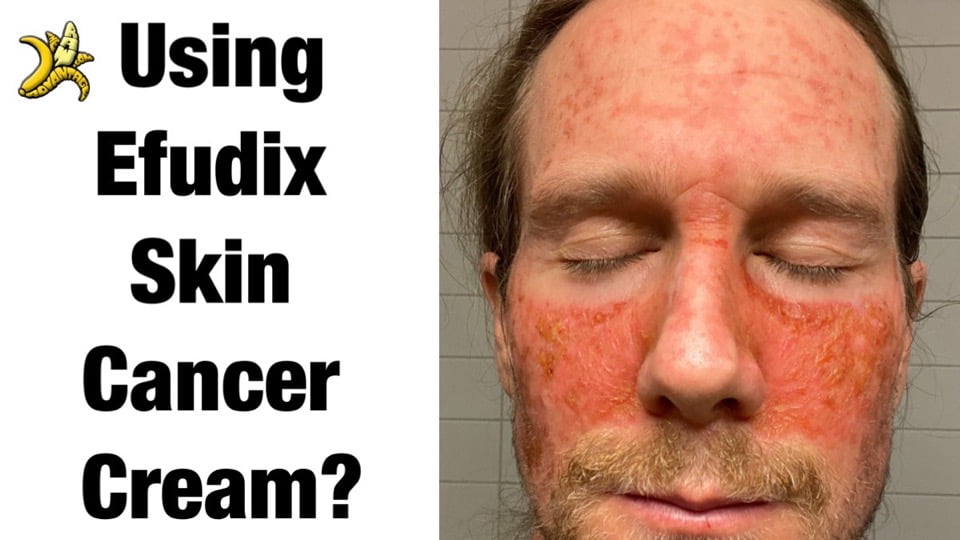
Update: Check Out My Video on my experience with Efudex Skin Cancer Cream Here
Reflecting on my experiences, I want to emphasize the importance of mindful sun exposure. Gradually building a base tan is beneficial, but even that can be overdone. It’s crucial for hormonal health, vitamin D production, and overall wellness, including preventing Seasonal Affective Disorder (SAD).
PS – On that I have a whole post about Vitamin D here, and I have also found a huge benefit from using a Sperti Vitamin D lamp in the winter to ensure I am topped off for hormonal health and overall well-being.
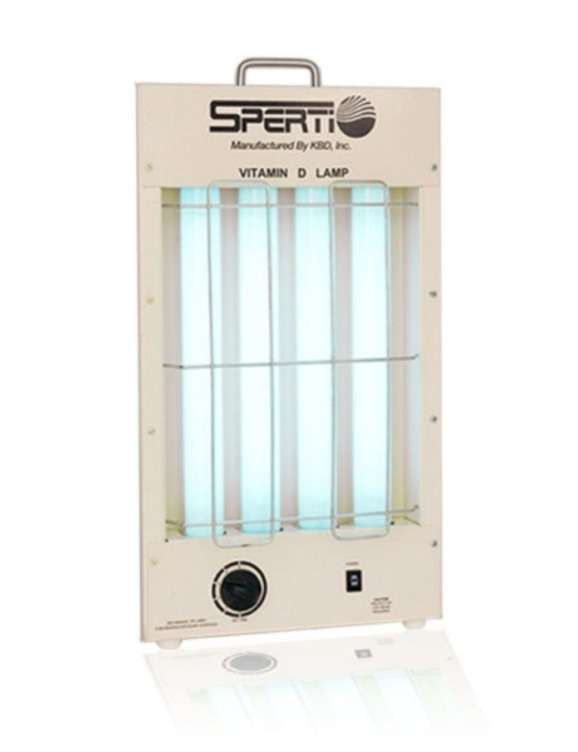
Learn more and check it out here!
To wrap this up, if you’re fair-skinned or in a region with strong UV exposure, take your sun protection seriously. Avoid direct exposure during peak hours unless you’re well-covered or have developed a base tan. Always prioritize preventing sunburn, as this is the most significant factor you can control. When necessary, opt for natural sunscreens, particularly those with zinc or titanium oxide.
Thank you for the support and love I’ve received on social media. I’m doing fine and just sharing my experience to raise awareness. If you find this content helpful, feel free to leave a comment and share it with anyone who might benefit from this information. Here’s to health, wellness, and mindful sun exposure!
Ps Get over 100 FREE Raw Recipes on my Raw Recipe App

Available FREE on Apple & Android??
As Always
Wishing You Much
PeaceLovenSeasonalFruit ck